The housing crisis no longer affects only the most vulnerable. It affects young people, families, students, workers who have relocated to Rome for work, and a growing group of people whose incomes are too high to qualify for public housing but too low to comfortably afford market rents.
The figures help us understand the scale of the problem. In Rome, an estimated 114,000 households are experiencing severe housing vulnerability or are at risk of falling into it. In 2021, around 307,000 households were renting their homes, and between 2019 and 2024 demand for rental housing increased by 25.4%.
But housing is crucial to understanding inequality for another reason.
Where I can afford to live determines a significant part of the opportunities available to me.
It determines how long my commute is, which schools and services I can access, how dependent I am on a car, and which family and social ties I can maintain. When a family is forced to move further and further away in search of affordable housing, lower housing costs can translate into higher transport costs, longer commuting times, and greater distance from essential services.
This is also how the housing crisis is reshaping Rome’s social geography. Since 2001, the city has lost around 200,000 residents within the GRA (Rome’s ring road), while gaining roughly the same number outside it. Over the same period, municipalities in the metropolitan hinterland have gained around 330,000 residents. The housing challenge is therefore increasingly metropolitan in nature.
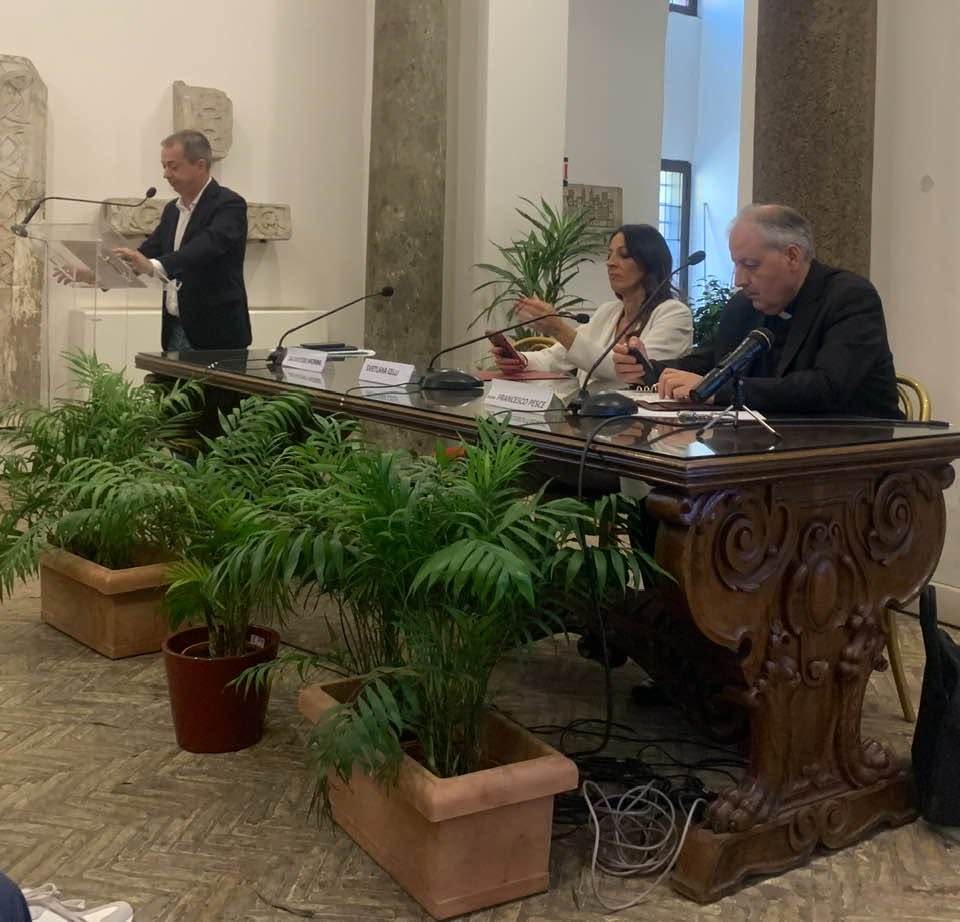
These are some of the issues I discussed in my presentation, “Rome: Growth, Inequality and Liveability,” delivered at the Campidoglio, Rome’s City Hall, during an event organised by Caritas Roma, CGIL Roma e Lazio, and CISL Roma Capitale Rieti.
Housing is not simply the place where we live. It is a condition that shapes the opportunities available to every Roman.